
Resources and insights
All articles
Latest news, product updates and support articles

Featured
No items found.
The Future of Office Work: Four Predictions for 2026
The end of a year invites reflection, and perhaps a little prophecy. For office work, this is particularly fraught territory. The past few years have delivered more upheaval than the preceding decade: remote work, hybrid arrangements, artificial intelligence, the four-day week. Some of these have become mundane. Others remain experimental. Where does it all lead?


SME Digital Transformation: Practical Steps for European SMEs in 2025
Small and mid-sized enterprises (SMEs) across Europe are at the heart of the economy, yet many still lag in digitalization. As we approach 2026, the pressure to digitize is growing – driven by customer expectations, competitive necessity, and even unforeseen challenges like war and pandemics.

Overview of Agrello’s E-Signature Coverage
Agrello provides a range of e-signing options that allow users to sign documents securely and in compliance with regional requirements. The platform supports several signature levels and trusted identity providers across different countries. This ensures that users can execute legally valid signatures based on their location and the regulations governing electronic identification and trust services.
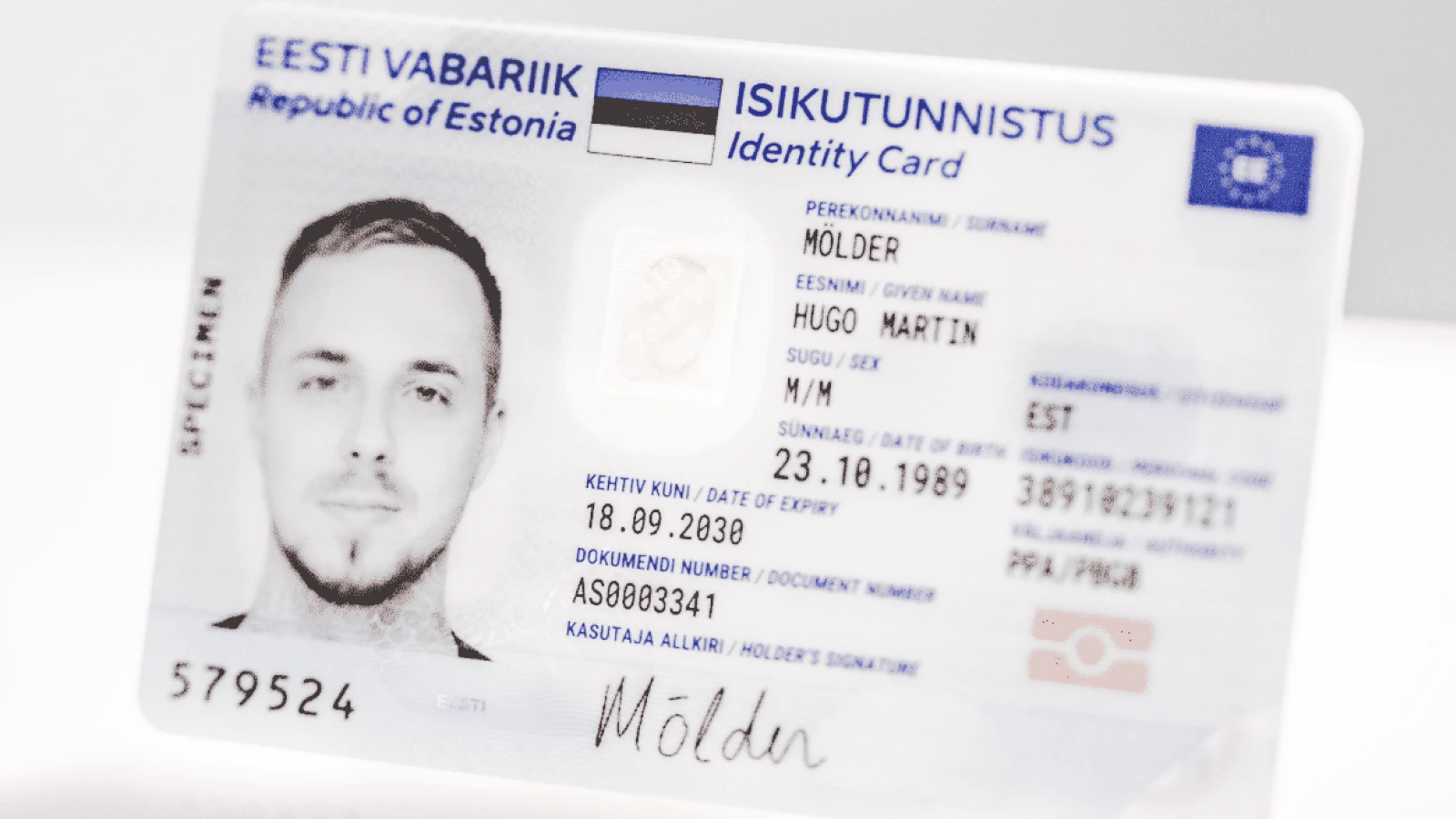
New Estonian ID Cards 2025: What You Need to Know?
In Estonia, the ID card has been part of our daily work and personal life for years. We use it to log into corporate information systems, confirm contracts, and sign documents. Thanks to this, Estonia is one of the most digital countries in the world. However, in the autumn of 2025, there will be a change that directly affects everyone who uses an ID card for work purposes.

How the PROTO Discovery Centre HR Team Made Contract Management Simple and Stress-Free
When everyday HR tasks start to take too much time and energy, it’s a sign that things could be simpler. That’s exactly what Ina Tepp, HR Manager at the PROTO Discovery Centre, realized – and found her solution with Agrello.

CSV Export for Agrello Forms – Eliminate Manual Data Entry
Every time someone signs a digital form, valuable business data gets created—but too often, that data becomes trapped in individual documents, forcing teams into tedious manual re-entry tasks that waste time and introduce errors. Agrello Forms' new CSV export feature breaks down these data silos, transforming every signed submission into structured, immediately usable information that flows seamlessly into your existing business systems.

From Paperwork to Smart Contracts: AI and RPA in HR Contract Management
The HR world is changing fast. Artificial intelligence (AI) and automation have surged into HR departments – HR-related automations have jumped 599% in just two years according to SHRM research, with bots now handling 39% of employee tasks. These AI-driven tools promise smarter, lightning-fast HR processes, from hiring to onboarding. Yet amidst this rapid change, one thing remains non-negotiable: compliance and accuracy. HR deals with sensitive legal documents and regulations; a misstep in a contract or a skipped policy clause can spell legal trouble.